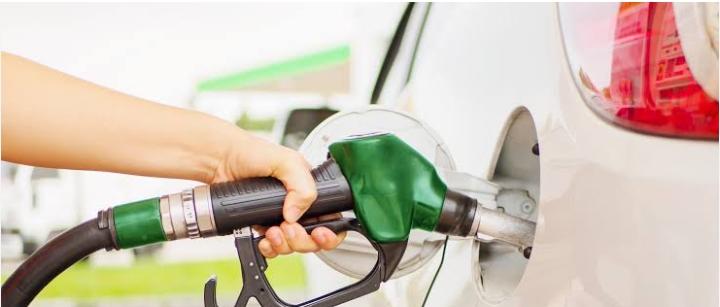
Iran Reclosing Strait of Hormuz Dashes Hopes for Nigerian Fuel Price Reduction
21st of April, 2026
The recent reclosure of the
by
Iran
on April 18, 2026, has effectively stalled expectations for a significant reduction in Nigerian petrol prices. Earlier hopes were tied to a brief reopening of the strategic waterway following a short-lived ceasefire agreement between Iran and the United States.
Impact on Nigerian Fuel Prices
Before the reclosure, Nigerian fuel marketers and industry experts had projected that petrol prices could drop significantly due to stabilizing global oil markets:
- Price Projections: Marketers had anticipated retail prices falling from the current ₦1,250–₦1,300 per litre range toward ₦900–₦1,000 per litre.
- Market Reversal: Following the reclosure, Brent crude prices immediately rose from $88 to $90 per barrel.
- Domestic Reality: Analysts now warn that the disruption will keep landing costs high, as Nigeria remains heavily dependent on imported refined products despite contributions from the Dangote Refinery.
The Strategic Crisis at a Glance
The Strait of Hormuz is a critical chokepoint through which roughly 20% of globally traded oil transits.
| Event Date | Action | Impact |
|---|---|---|
| April 17, 2026 | Iran briefly reopens the Strait during a 10-day Lebanon truce. | Global oil prices plunged nearly 10%. |
| April 18, 2026 | Iran recloses the Strait, citing a continued US blockade of its own ports. | Brent crude surged; tankers were forced to turn back. |
| April 19-20, 2026 | IRGC gunboats reportedly fired on tankers attempting to pass. | Transit activity dropped to record lows (only 3 vessels on April 19). |
Current Outlook for Consumers
- Volatility: The IEA has described the 2026 Hormuz crisis as the largest disruption to world energy supply since the 1970s.
- Persistent High Costs: In Nigeria, the Petroleum Products Retail Outlet Owners Association (PETROAN) notes that any potential price crash is now “in doubt” as long as the waterway remains a conflict zone.
- Future Pressure: A new 5% fuel tax (approximately ₦45–₦50 per litre) is scheduled to take effect in January 2026, which may add further upward pressure to pump prices regardless of global trends.
~ Copied