MALNUTRITION: Action for Nigeria to Achieve Sustainable Development Goals
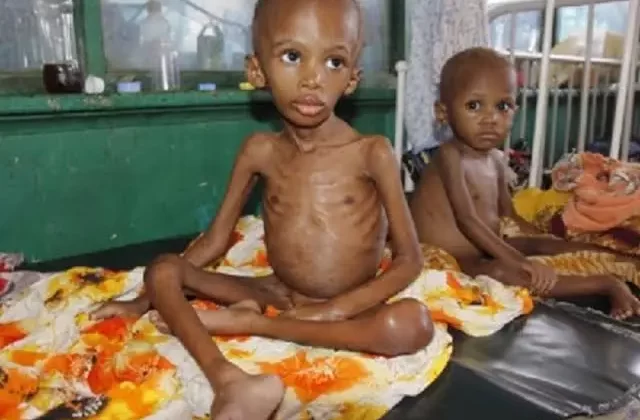
UNICEF emphasizes the urgency of addressing issues such as stunting and anemia in Nigeria, which is currently falling behind in achieving the Sustainable Development Goals (SDGs) by 2030. According to data from the 2018 national demographic survey, Nigeria has significant challenges, with 23.5 million anemic children, 12 million stunted children, 3 million wasted children, 17.7 million people experiencing hunger, and one million suffering from acute malnutrition. The reduction rate for stunting is only 1.4 percent per year.
UNICEF Nutrition Officer Nkeiru Enwelum pointed out that while Nigeria is making progress in exclusive breastfeeding and wasting, it’s off track for most SDG targets. Goal 2, zero hunger, calls for addressing nutritional challenges, including wasting, stunting, exclusive breastfeeding, anemia, low birth weight, overweight, and obesity.
To achieve these targets, Enwelum stressed the need to prevent malnutrition, integrate nutrition into health, food, and social protection programs, and implement these programs on a larger scale. She also highlighted the importance of various ministries prioritizing nutrition and allocating budgets for nutrition programs.
Enwelum called for additional funding to support the treatment of the 3 million malnourished children in Nigeria and prevention efforts to reduce nutrition-related conditions in newborns.