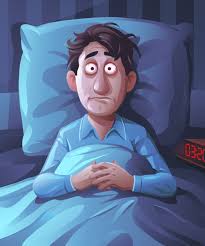
Sleeplessness effect on human body
Are you a night owl? Do you usually work at midnight? While the nighttime offers a peaceful environment for creativity and uninterrupted work, it’s essential to consider the impact on your body. There’s a common misconception that the lack of nighttime sleep can be compensated with daytime sleep, but this isn’t entirely accurate. The night is when your mind and body recuperate from the stresses and challenges of the day, and daytime sleep doesn’t offer the same benefits.
Working late into the night can lead to a host of health issues and disrupt your daily routine. It’s crucial to be aware of these potential health problems associated with late-night sleeping:
1. Dark Circles: Late-night work often leads to dark circles around the eyes, a telltale sign of being a night owl. The stress on your eyes from prolonged computer use can exacerbate this issue, and it may also impact your hair and skin health.
2. Anxiety: Waking up late after a night of work can create anxiety and stress during the day. You may find yourself worrying about uncompleted tasks and increasing workloads, which can lead to a sense of overwhelming pressure.
3. Overweight: Late-night sleep can disrupt your metabolism and eating patterns. Night owls tend to snack more frequently and often gravitate towards junk food, leading to weight gain and obesity.
4. Insomnia: An irregular sleep schedule can contribute to insomnia. Falling asleep can become increasingly difficult, taking longer to doze off, and in some cases, insomnia may develop.
5. Risk of Accidents and Lack of Concentration: Sleep deprivation affects your concentration and alertness during the day. This can be dangerous, particularly when driving, as it increases the risk of accidents. At work, it may lead to mistakes and decreased productivity.
6. Cancer: Inadequate and late-night sleep has been linked to an increased risk of breast cancer in women.
7. Headache: Late-night sleep patterns can impact brain functionality and lead to headaches. Backaches may also result from poor sleep habits.
It’s crucial to realize that late-night sleeping can have serious consequences for your health and overall well-being. Those who maintain a regular sleep schedule tend to live longer and healthier lives. Your health is a precious asset, and it deserves your attention and care.
World Heart Day serves as a reminder to prioritize heart health and overall well-being. While the demands of work and life can lead to irregular sleep patterns, it’s essential to find a balance that allows for adequate rest and recovery. Taking steps to improve your sleep habits can have a positive impact on your health, longevity, and overall quality of life.